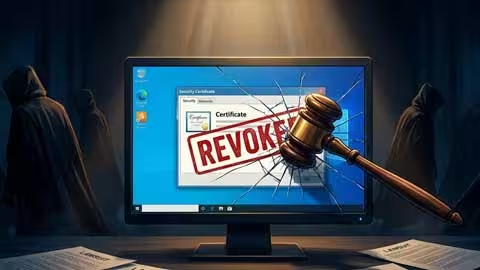

We're seeing a troubling shift in how ransomware gangs operate these days. They've moved well beyond just encrypting files or stealing data - that's old news. What's keeping security teams up at night now is how these criminals are directly harassing victims' customers and business partners while simultaneously using regulatory threats as leverage. Look, I know it sounds dramatic, but this goes way beyond tech problems. It's basically psychological warfare, hitting businesses where it hurts most when they're already down.
God, the fallout can be brutal, especially for smaller shops without big security teams. Just think about it - your clients suddenly getting emails with their own private data attached. Or worse, getting a call that someone's filing regulatory complaints against you for "improper breach disclosure" - for a breach you're still trying to understand! Trust me, you'll need more than your IT guy for this mess. You need serious IT services expertise to handle all the angles.
The Pressure Playbook: Multiple Angles of Attack
Security researchers tracking these incidents have documented a clear evolution in tactics. The standard "double extortion" approach (where attackers encrypt and steal data) has expanded into what experts now call "triple extortion" or even more complex pressure campaigns. Here's what we're actually seeing:
- Stakeholder Harassment: These guys don't just email you anymore. They'll hunt down your biggest clients and partners, sending them proof they've got their data. "Hey, Company X isn't protecting your information - look what we have. Maybe tell them to pay us?" We had a case last month where they specifically targeted a client's top three customers - the ones representing 60% of their revenue.
- Regulatory Exploitation: Advanced threat groups threaten to report victim organizations to relevant regulatory authorities (SEC, industry-specific regulators) for alleged non-compliance in security incident disclosure, adding potential regulatory penalties to existing concerns. This tactic is particularly effective against publicly traded companies or those in heavily regulated industries.
- Operational Disruption: When initial demands remain unmet, attackers frequently deploy Distributed Denial of Service (DDoS) attacks to disable online operations while simultaneously releasing sensitive data, creating maximum business disruption and public visibility. The timing is often calculated for maximum impact - like during peak business periods or important corporate events.
The real kicker? How perfectly timed and coordinated these attacks are. It's like being hit from three sides at once - your systems are down, your customers are panicking, and regulators are calling. Even companies that swore they'd never pay ransoms sometimes cave under this kind of pressure. And if you don't have solid cybersecurity already in place? You're basically walking around with a "kick me" sign on your back.
Beyond the Immediate Crisis: Long-term Business Impact
Here's what nobody tells you - the real nightmare starts after you think it's over. Sure, you might get your systems back up in a few days, but then what? Your customers got threatening emails with their own private data attached. Your industry regulators are asking questions you can't easily answer. Your reputation is taking hits on social media. I've seen this play out dozens of times. One manufacturing client had their systems back online in just 72 hours - pretty impressive, right? But they spent the next SEVEN MONTHS in damage control mode. Constant customer meetings. Legal reviews. Regulatory paperwork. Their IT director told me, "I thought we were recovering from a ransomware attack. Turns out we were fighting for our company's life." That's the reality - this isn't just some tech problem for the IT department. It's an existential threat that needs the CEO's full attention.
"Look, you can't just throw some antivirus software at this problem and call it a day. You need actual threat intelligence - knowing what's coming before it hits you. You need systems that can take a punch without going down completely. And you absolutely need a response plan that covers both the technical stuff AND the human side - like what you'll tell customers, regulators, and the press. At Klinor, that's exactly what we've built - protection that covers all these bases, not just the technical parts that other providers focus on."