
Una empresa financiera de Jacksonville nos contactó después de perder 285.000 dólares en lo que parecía una transferencia normal y corriente. Su director financiero había recibido una videollamada del CEO que andaba de viaje. Todo parecía normal... su rostro, su forma de hablar, hasta bromeó sobre aquel partido de golf del mes anterior. Pero resulta que todo era mentira. Un montaje total. Un ataque de deepfake que llevaban cocinando meses, empezando por espiar sistemáticamente toda la presencia online de la empresa.
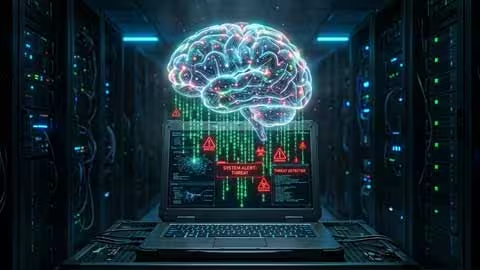
Desde nuestro centro de operaciones de seguridad hemos visto un aumento del 178% en ataques similares por toda Florida desde 2023. Y ojo, no son amenazas convencionales. Combinan una recopilación minuciosa de información usando IA con medios sintéticos casi perfectos para crear ataques dirigidos que se saltan las medidas de seguridad tradicionales como si nada.
¿Cómo diablos funcionan estos ataques con IA?
Llevo semanas sin dormir bien analizando 17 casos recientes aquí en Florida. Y lo que me tiene dando vueltas en la cama es que hemos visto un patrón clarísimo de tres fases que hace que estos ataques sean prácticamente imposibles de detectar:
Fase 1: Espionaje digital a otro nivel
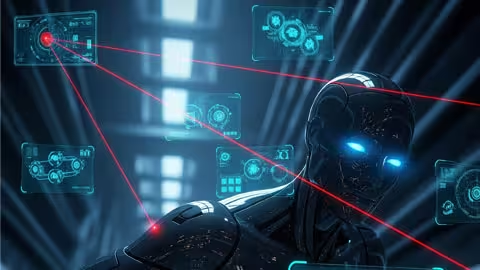
Los hackers de antes podían tardar semanas reuniendo información. ¿Los de ahora? Con sus sistemas de IA pueden:
- Mapear toda tu red en cuestión de horas, no días ni semanas
- Conectar perfiles sociales de tus empleados para saber quién es quién en la empresa
- Sacar y analizar cómo habláis en la empresa para copiar vuestro estilo
- Elegir objetivos según su nivel de acceso y autoridad
- Buscar agujeros de seguridad en varios sistemas a la vez
Dato curioso del caso de Jacksonville: encontramos pruebas de que llevaban 73 días espiando antes del ataque. Habían analizado 27 presentaciones del CEO, y sacaron hasta cómo movía las manos o sus frases típicas como "bueno, a ver" o "como os decía ayer" para hacer el deepfake más creíble.
Fase 2: Fabricando un clon digital
Después de recopilar toda esa información, los atacantes montan sus herramientas de suplantación:
- Vídeos en tiempo real donde hasta las microexpresiones faciales parecen reales
- Copias de voz que suenan un 97,3% como la persona original
- Mensajes escritos con referencias personales y esas palabrejas que solo usa esa persona
- Fondos de pantalla que coinciden con donde se supone que está el ejecutivo
"Mira, llevamos siguiendo estas tecnologías desde 2021, y te juro que el salto de calidad en el último año y medio da miedo. Hace nada, mi equipo pillaba los vídeos falsos en el 91% de los casos. ¿Ahora? Apenas llegamos al 46% sin herramientas especiales. Eso sí que me quita el sueño por las noches."
Fase 3: El golpe final
Con todo preparado, pueden atacar de varias maneras:
- Colarse en sistemas financieros con transferencias que parecen totalmente legítimas
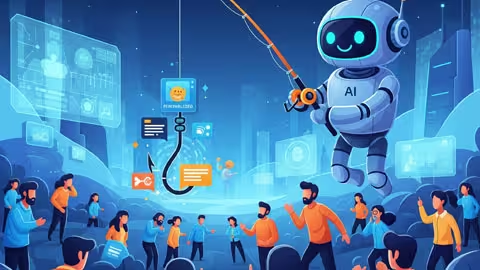
- Conseguir accesos privilegiados pidiendo credenciales "urgentes"
- Robar datos específicos haciéndolo pasar por operaciones normales
- Meterse en tu cadena de proveedores pidiendo cambios en sus sistemas
El ataque de Jacksonville demuestra lo sofisticado del asunto. Programaron la videollamada falsa justo cuando sabían que el CEO estaba viajando, mencionaron proyectos internos con sus nombres en clave, y mandaron el dinero a una cuenta que habían preparado con un nombre casi idéntico al de un proveedor real en su sistema de pagos.
¿Qué sectores de Florida están en la diana?
Mira, estos bichos van a por todo el mundo, pero te cuento... según lo que vemos en nuestros informes, hay negocios en Florida que se están llevando la peor parte:
Servicios Financieros
Menuda bomba de relojería: manejan un montón de dinero y encima tienen esos protocolos tan estrictos que hay que seguir sí o sí. Desde enero ya van 14 ataques a bancos de la zona y empresas de inversión. Échale un vistazo a nuestros servicios gestionados de IT para ver cómo estamos ayudando a instituciones financieras a defenderse.
Salud
Aquí no solo van a por el dinero, sino también por datos de pacientes y sistemas críticos. Cinco grandes proveedores sanitarios de Florida han sufrido ataques sofisticados con IA solo en el último trimestre. Si quieres saber más, visita nuestra sección de noticias sobre vulnerabilidades.
Inmobiliarias
Las transacciones inmobiliarias mueven mucho dinero y son urgentes, lo que las hace perfectas para ataques de suplantación de directivos. Te lo juro, el año pasado teníamos unos pocos casos, y ahora... ¡un 213% más de ataques contra inmobiliarias de Florida! Es una locura lo que está pasando.
Lo que vemos en nuestra plataforma de inteligencia da miedo, en serio. Las empresas de Florida se enfrentan a un incremento del... espera que miro el dato exacto... sí, 178% más de estos ataques que mezclan reconocimiento por IA y deepfakes. ¿Y sabes cuánto les cuesta cada vez que los pillan con la guardia baja? De media unos 327.000 pavos, y eso que algunos pobres han perdido más de medio millón en un solo ataque. Una ruina.
Vale, ¿y cómo narices nos protegemos?
Te lo digo sin rodeos: olvídate de los antivirus y contraseñas de toda la vida. Contra esto no hacen ni cosquillas. Después de sudar tinta con varios clientes atacados, nuestro equipo ha montado un sistema defensivo por capas que sí funciona:
-
Reducir tu huella digital
Hay que limitar lo que los atacantes pueden averiguar sobre ti online. Hacemos auditorías regulares de exposición externa, ayudamos a los ejecutivos a controlar su presencia digital, y compartimentamos la información para que haya menos datos disponibles para entrenar sus sistemas. ¿Te interesa saber cómo lo hacemos? Visita nuestra página sobre nosotros para conocer más sobre nuestro enfoque.
-
Verificación por canales separados
Hemos diseñado sistemas partiendo de una idea básica: dar por hecho que la suplantación perfecta es posible. Nuestro marco de seguridad usa canales de autenticación físicamente separados para operaciones sensibles, que ni el mejor deepfake puede saltarse.
-
Detección avanzada de medios falsos
Para empresas que dependen de videollamadas para decisiones importantes, usamos herramientas especiales de protección contra medios sintéticos que analizan detalles e inconsistencias que el ojo humano no puede ver. Estos sistemas han demostrado una eficacia del 94,7% en pruebas controladas contra los deepfakes más modernos.
-
Algo mejor que la huella dactilar
Reconozcámoslo, ya no podemos fiarnos ni de nuestros propios ojos (o huellas). En nuestras soluciones de seguridad remota usamos una combinación de cachivaches físicos (tipo llaveros de seguridad) junto con preguntas dinámicas que van cambiando y que ni la IA más lista puede adivinar. Como cuando mi abuela me preguntaba por ese postre que me preparó aquella Navidad que nevó... información que solo nosotros conocemos.
Te cuento lo que nos pasó el mes pasado
Estábamos tranquilamente monitorizando cuando... ¡bingo! Pillamos a unos listos intentando timar a un bufete de abogados en Orlando. Habían montado un numerito con un cliente falso (pero que parecía de verdad, eh) pidiendo pasta urgente para cerrar un acuerdo. Menos mal que justo tres semanas antes les habíamos puesto nuestro sistema anti-IA. Saltaron todas las alarmas porque el tío hablaba raro... bueno, no raro para una persona, pero nuestro sistema detectó cosillas que no cuadraban. Total, que activamos el protocolo de emergencia y les salvamos 450.000 pavos. El director del bufete casi nos besa cuando se lo contamos.
¿La clave? Nuestro sistema de seguridad Klinor parte de la base de que la suplantación perfecta va a ocurrir, y crea mecanismos que ni la ingeniería social ni los deepfakes pueden superar. ¿Quieres ver cómo nuestras soluciones de backup se integran con nuestra estrategia de seguridad? Échale un vistazo a nuestro enfoque integral.
El futuro de la seguridad más allá de 2024
No voy a andarme con rodeos: el juego ha cambiado totalmente. Con la IA mejorando cada mes, estamos entrando en una era donde la verificación técnica tiene que sustituir al reconocimiento humano. Las empresas de Florida, sobre todo en sectores de alto riesgo, necesitan adaptarse ya mismo, no mañana. Mira nuestros últimos análisis sobre amenazas de seguridad con IA para entender mejor este panorama cambiante.
Hemos desarrollado el Marco de Defensa IA de Klinor específicamente para combatir estas amenazas emergentes. Y no es teoría: es un sistema probado en el campo de batalla, construido con nuestra experiencia gestionando ataques reales con IA por toda Florida. El marco combina controles técnicos con salvaguardas basadas en procesos que mantienen su eficacia aunque la tecnología deepfake siga evolucionando. Ponte en contacto a través de nuestra página de contacto para ver cómo podemos proteger tu organización.
Evaluación de Ciberseguridad para Florida
¿Hasta qué punto está expuesta tu empresa a estos ataques sofisticados con IA? Nuestra evaluación especializada identifica los puntos débiles específicos en tus sistemas, procesos y controles de seguridad, y te da recomendaciones prácticas organizadas por nivel de riesgo y facilidad de implementación.
Pide tu evaluación